




As parents, we often find ourselves juggling the responsibility of guiding our children while also allowing them the freedom to grow as independent individuals. One of the most effective yet often overlooked tools in this process is organization. Teaching children how to be organized not only helps them navigate their day-to-day activities but also fosters a sense of independence that will help them throughout their lives. You may ask, “How can you use organization to empower your child?”
The Importance of Organization
Organization is more than just neatness; it is a skill that can be developed to manage time, prioritize tasks and take responsibility. Helping your child learn how to organize their belongings and giving them tasks for which they are responsible helps them gain confidence in their ability to handle challenges independently.
Start with Simple Systems
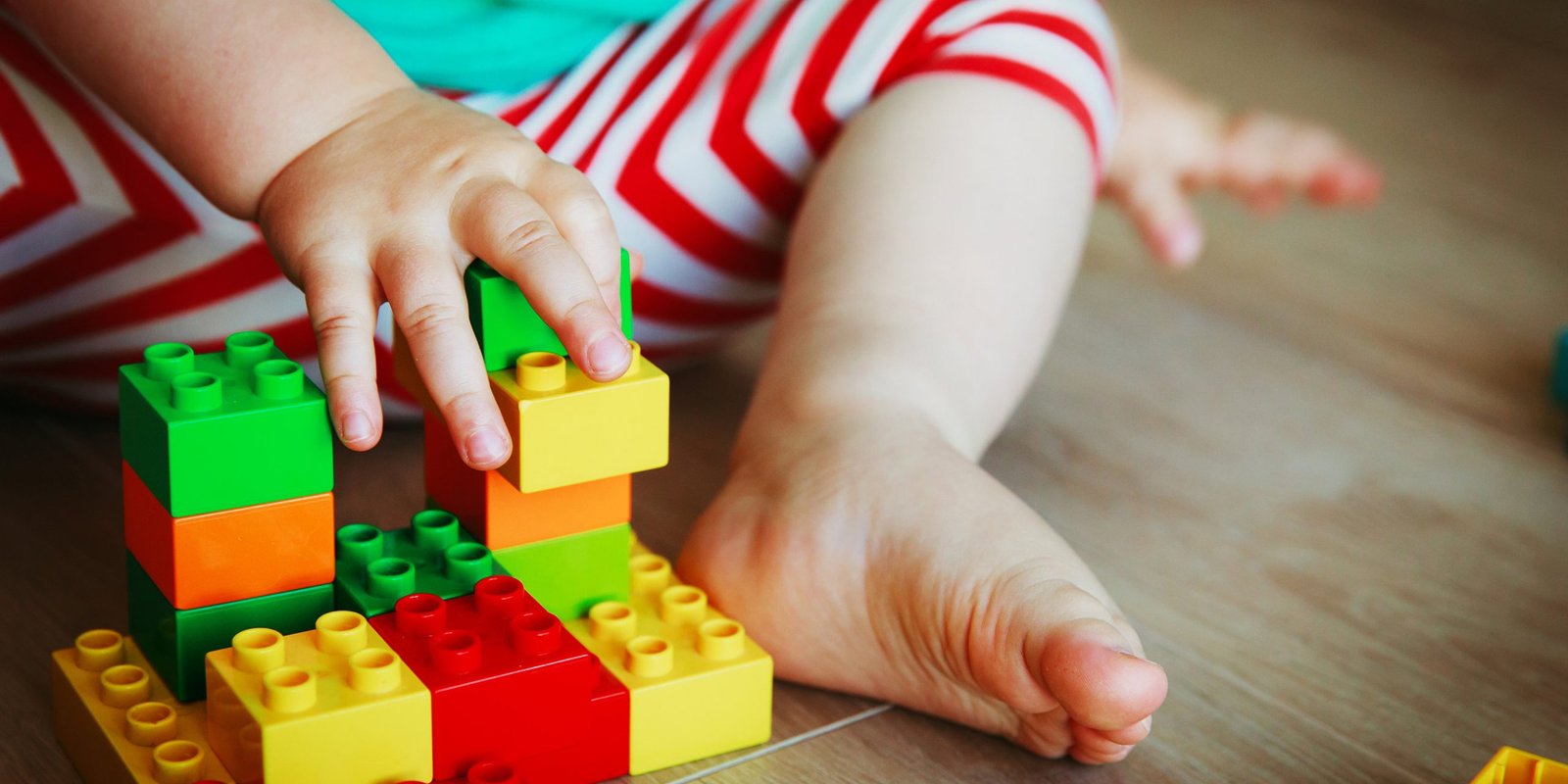
Begin by introducing simple organizational systems that are age-appropriate. For small children, who often may be more destructive—think of building blocks that are so fun to knock down—make a game out of putting toys away. This might mean labeling bins with pictures for toys or a color-coded calendar for daily activities. As they grow older, add a set of hooks by the entry that they can reach to hang their coat and bag.
The key is to keep these systems simple and consistent. Too many rules or complicated procedures are overwhelming. Make it easy and routine. The goal is to create habits that your child can manage on their own without supervision.
Create a Routine
Routines are essential in an organized life. Establishing a daily routine helps children understand what is expected of them and when. This predictability provides a sense of security and helps them develop time-management skills.
Start with morning and bedtime routines. These are the bookends of your child’s day and set the tone for how they approach their day. Encourage them to take ownership of these routines. For example, let them choose the order in which they complete their morning tasks, like brushing teeth, getting dressed, and packing their backpack.
Encourage Responsibility with Chores
Assigning chores is a great way to teach responsibility and organization. Chores help children understand the value of contributing to the household and managing their own space. Whether it’s making their bed, sorting laundry, or setting the table, these tasks require planning and time management.
To make chores more engaging, consider using a chore chart. This visual aid allows children to track their responsibilities and see their progress. It also reinforces the idea that organization is a skill that can be learned and mastered.
Involve Your Child in Planning
Involving your child in the planning process is a powerful way to foster independence. Whether it’s organizing a family trip, planning their birthday party, or simply deciding the week’s meals, giving them a role in the planning encourages them to think ahead and make decisions.
For older kids, you can take this a step further by teaching them how to use planners or plan and cook a meal. Show them how to break down large tasks, like school projects, into smaller, manageable steps. This not only helps them stay organized but also reduces anxiety and builds confidence.
Model Organized Behavior
Children learn by example, so it’s important to model the organizational behaviors you want to see in them. Let them see how you manage your time, keep track of important dates, and organize your space. Involve them in activities like grocery shopping or planning a family event to give them firsthand experience. When they see you using organization to stay on top of things, they’ll understand its value and be more likely to adopt similar habits.
Allow Room for Mistakes
Remember, fostering independence is a process, and making mistakes is a part of learning. If your child forgets to complete a task or struggles with organization, resist the urge to fix it yourself. Instead, use these mistakes as “teachable moments.” Encourage your child to come up with ideas for how to improve next time. This also helps them develop problem-solving skills.
Celebrate Progress
Always celebrate your child’s progress. Acknowledge small victories, whether it’s hanging their coat up on their hook or completing a week of chores without reminders. Positivity goes a long way in building their confidence and motivation to continue developing their organizational skills.
Finally, fostering independence through organization is gradual and requires patience and consistency. By introducing simple systems, establishing routines, encouraging responsibility, and modeling good habits, you’re equipping your child with the tools they need to thrive independently. Remember, the goal is not perfection but progress. Each step they take towards being more organized is a step towards becoming a more confident, self-reliant adult.
If you need help setting up systems and organization solutions for your growing family, please reach out to our team at Organize Me Inc. for help!